
Fragrance Guide
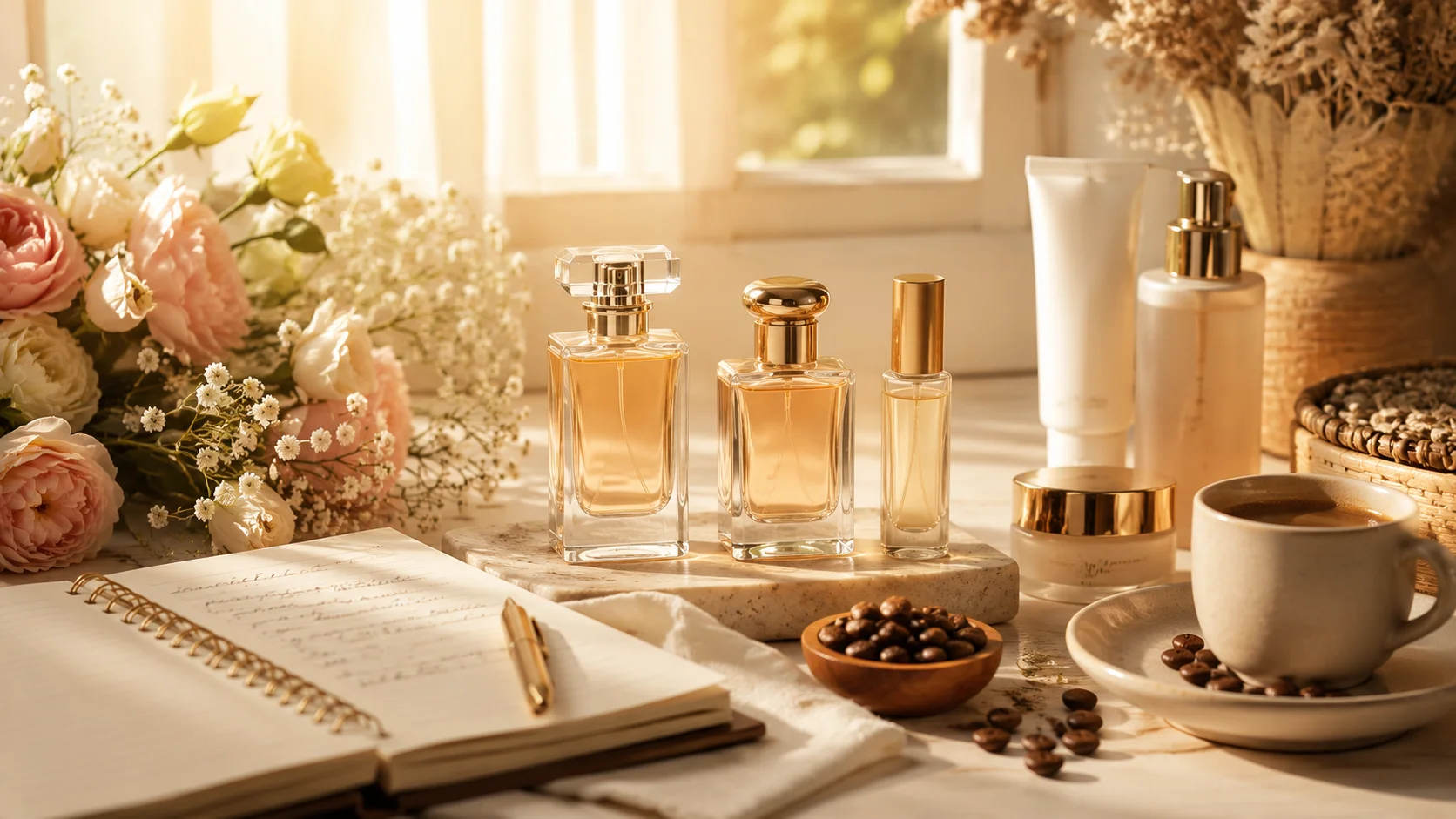
The Ultimate Beginner's Guide to Perfumes (2026 Edition)
New to fragrances? Learn everything about perfumes, fragrance notes, concentrations, longevity, and how to choose your perfect scent — in one complete guide.
Walking into the world of perfumes can feel overwhelming. Terms like Eau de Parfum, top notes, projection, sillage, and fragrance families are everywhere, making it difficult to know where to begin.
The good news is that understanding perfume isn't nearly as complicated as it seems.
Whether you're buying your very first fragrance, searching for a signature scent, or simply curious about how perfumes work, this guide will teach you everything you need to know — from fragrance basics to expert tips used by perfume enthusiasts around the world.
By the end of this guide, you'll know how perfumes are structured, how to make them last longer, how to choose the right fragrance for different occasions, and how to confidently build your own fragrance collection.
Quote Block "A great fragrance doesn't just smell beautiful — it becomes part of your identity and leaves a memory long after you've left the room."
What Is Perfume?
Perfume is much more than a pleasant scent. It is a carefully crafted blend of aromatic ingredients designed to create an emotional experience. A fragrance can remind you of a special place, a loved one, a memorable vacation, or even your childhood.
Modern perfumes are typically made using three primary components:
Fragrance oils that provide the scent.
Alcohol, which helps disperse the fragrance when sprayed.
Small supporting ingredients that improve stability and performance.
Every perfume is created by combining dozens — or sometimes even hundreds — of individual notes into a balanced composition. Unlike a simple room freshener, a quality perfume changes over time. The scent you notice immediately after spraying is only the beginning of the fragrance journey.
How Does Perfume Work?
Think of perfume like listening to a beautiful piece of music. It doesn't reveal every instrument at once. Instead, different layers appear gradually. Perfumes are designed in three stages known as the perfume pyramid.
Top Notes
Top notes are the first impression of a perfume. These appear immediately after spraying and usually last between 10 and 20 minutes.
Common top notes include:
Bergamot
Lemon
Orange
Grapefruit
Mint
Apple
These ingredients create freshness and attract your attention.
Heart Notes
As the top notes begin to fade, the heart of the fragrance appears. These notes define the personality of the perfume and generally last for several hours.
Popular heart notes include:
Rose
Jasmine
Lavender
Cinnamon
Cardamom
Peony
Base Notes
Base notes remain on the skin the longest. These provide warmth, depth, and longevity.
Popular base notes include:
Oud
Musk
Amber
Sandalwood
Vanilla
Patchouli
Vetiver
Tonka Bean
These ingredients are often responsible for the compliments people remember.
Pro Tip: When testing a perfume, wait at least 30 minutes before deciding whether you like it. The true character of a fragrance usually appears after the top notes fade.
Understanding Fragrance Families
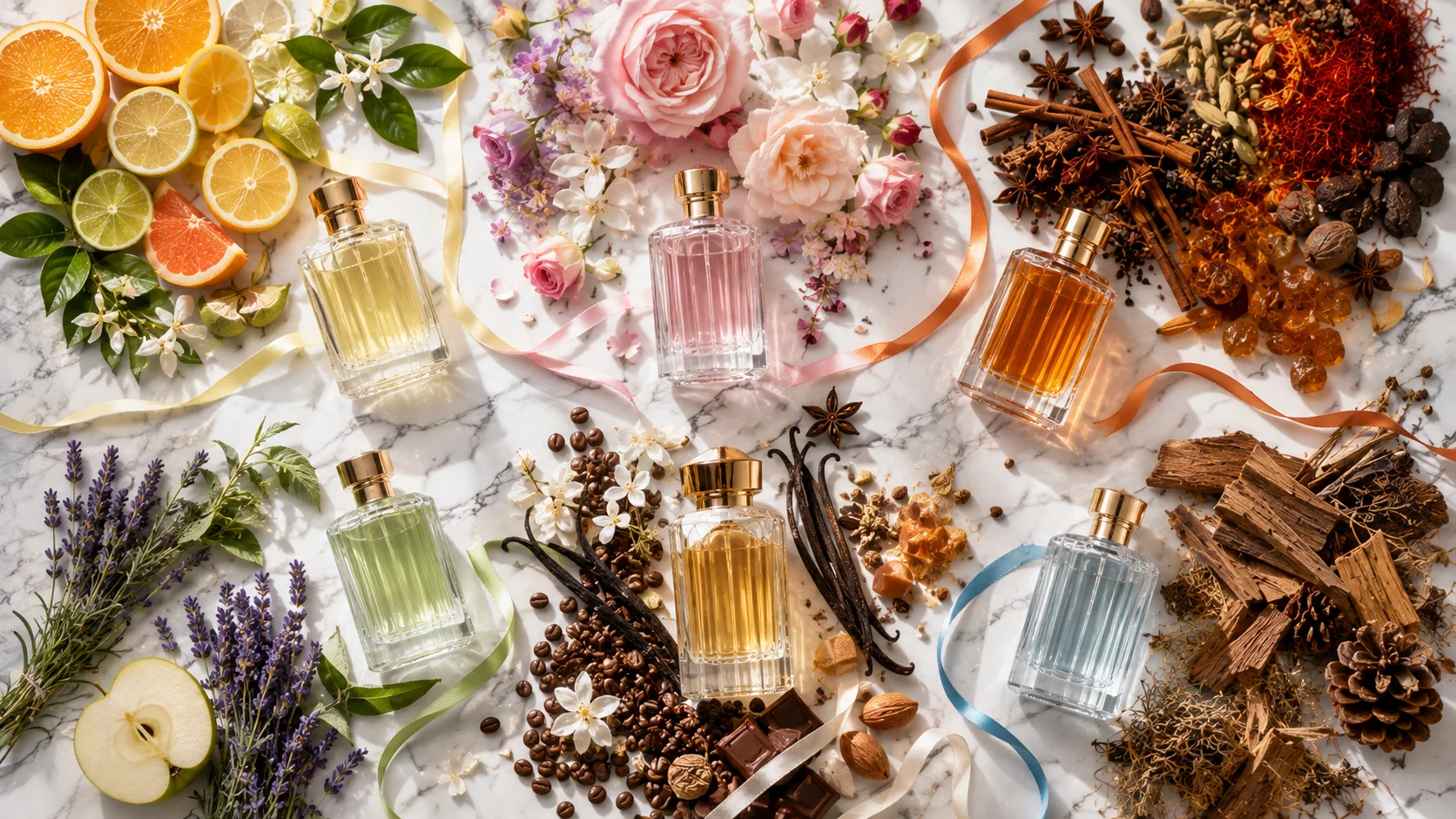
Perfumes are grouped into fragrance families based on their overall scent profile. Knowing these families makes choosing a fragrance much easier.
Fresh
Fresh fragrances are light, clean, and energizing. They often include citrus fruits, aquatic notes, mint, and green leaves.
Perfect for: Office, summer, and daily wear.
Floral
Floral perfumes revolve around flowers such as rose, jasmine, peony, iris, and lily.
Perfect for: Romantic occasions, weddings, and spring.
Woody
Woody fragrances feature notes like sandalwood, cedarwood, oud, and vetiver.
Perfect for: Evening wear, formal occasions, and cooler weather.
Oriental / Amber
These fragrances combine amber, vanilla, spices, incense, and resins to create rich, luxurious scents.
Perfect for: Date nights, winter, and special events.
Gourmand
Inspired by edible ingredients — chocolate, coffee, caramel, vanilla, and almond.
Ideal for: Those who enjoy warm, comforting fragrances.
Perfume Concentrations Explained
One of the biggest misconceptions is that expensive perfumes automatically last longer. In reality, concentration plays a major role.
Eau de Cologne — 2-5% oil concentration. Average wear time: 2-3 hours.
Eau de Toilette — 5-15% oil concentration. Average wear time: 3-6 hours.
Eau de Parfum — 15-20% oil concentration. Average wear time: 6-10 hours.
Parfum — 20-40% oil concentration. Average wear time: 8-12+ hours.
Higher concentration generally means richer performance, but the ingredients and formulation also matter.
How to Test a Perfume Correctly
Avoid judging a fragrance after one quick spray. Follow this simple process:
Spray only one or two fragrances on your skin at a time.
Wait several minutes before smelling.
Walk around for at least thirty minutes.
Smell your wrist again.
Notice how the fragrance changes throughout the day.
Your body chemistry affects how every perfume develops.
How to Choose Your Signature Scent
Choosing a signature fragrance isn't about following trends. It's about finding something that feels like an extension of your personality.
Ask yourself:
Do I prefer fresh or warm scents?
Do I spend most of my time indoors or outdoors?
Do I want something subtle or noticeable?
Will I wear it daily or only for special occasions?
Your answers will naturally guide you toward the right fragrance family.
Did You Know? The human nose can distinguish over one trillion different scent combinations. Your perfect fragrance is absolutely out there.
How to Apply Perfume Properly
Application technique makes a noticeable difference. Spray perfume on warm pulse points:
Neck
Wrists
Behind ears
Inside elbows
Important: Avoid rubbing your wrists together. Doing so can break down the fragrance structure and reduce the freshness of the opening notes.
Pro Tip: Apply an unscented moisturizer before spraying perfume. Hydrated skin holds fragrance much longer than dry skin.
Common Beginner Mistakes
Many people unknowingly reduce the performance of their fragrance. Avoid these:
Spraying too much perfume.
Rubbing wrists together after spraying.
Storing bottles in direct sunlight.
Keeping perfumes in humid bathrooms.
Judging a fragrance within the first minute.
Buying solely because someone else likes it.
Building Your First Perfume Collection
A versatile collection doesn't require dozens of bottles. Start with four categories:
Daily Fresh Fragrance
For work and everyday use. Light, clean, and energizing — something you can wear without thinking.
Date Night Fragrance
Warm, rich, and memorable. Look for oriental or woody notes with good projection.
Formal Fragrance
Elegant and sophisticated. Something with depth that commands attention without being overpowering.
Seasonal Fragrance
Choose something fresh for summer and something deeper for winter. This simple wardrobe covers almost every occasion.
Frequently Asked Questions
How many perfumes should a beginner own? Three to four well-chosen fragrances are enough to cover daily wear, work, evenings, and special occasions.
Should perfume be sprayed on clothes or skin? Skin provides the best scent development because body heat helps the fragrance evolve naturally. Clothing can extend longevity but may alter the scent slightly.
Why does the same perfume smell different on different people? Body chemistry, skin type, diet, and even climate influence how a fragrance develops.
How many sprays are enough? Usually two to five sprays are sufficient, depending on the strength of the perfume and the occasion.
Where should perfume be stored? Keep bottles in a cool, dry place away from sunlight and humidity. A bedroom drawer or cabinet is ideal.
Does expensive always mean better? Not necessarily. Quality depends on formulation, ingredients, and personal preference — not just price.
Beginner's Checklist
Before buying your next perfume, remember:
✅ Test it on your skin.
✅ Wait at least 30 minutes.
✅ Consider the season.
✅ Match it to the occasion.
✅ Don't judge only by the opening.
✅ Buy what you genuinely enjoy — not what is trending.
Final Thoughts
Perfume is one of the most personal accessories you can own. It has the unique ability to express your personality without saying a single word.
As you explore different fragrance families, notes, and styles, you'll begin to discover what truly resonates with you. There is no universal "best" perfume — only the one that makes you feel confident, comfortable, and unforgettable.
Take your time, experiment with different scents, and enjoy the journey. The world of fragrance is vast, exciting, and filled with discoveries waiting to become part of your story.
Ready to discover your next signature scent?
Explore the carefully curated collections at Scents By Izhaan and find fragrances inspired by some of the world's most iconic perfumes. Whether you're looking for something fresh, woody, floral, or luxurious, there's a scent waiting to become part of your everyday story.
Continue Reading
More Articles
Fragrance Guide
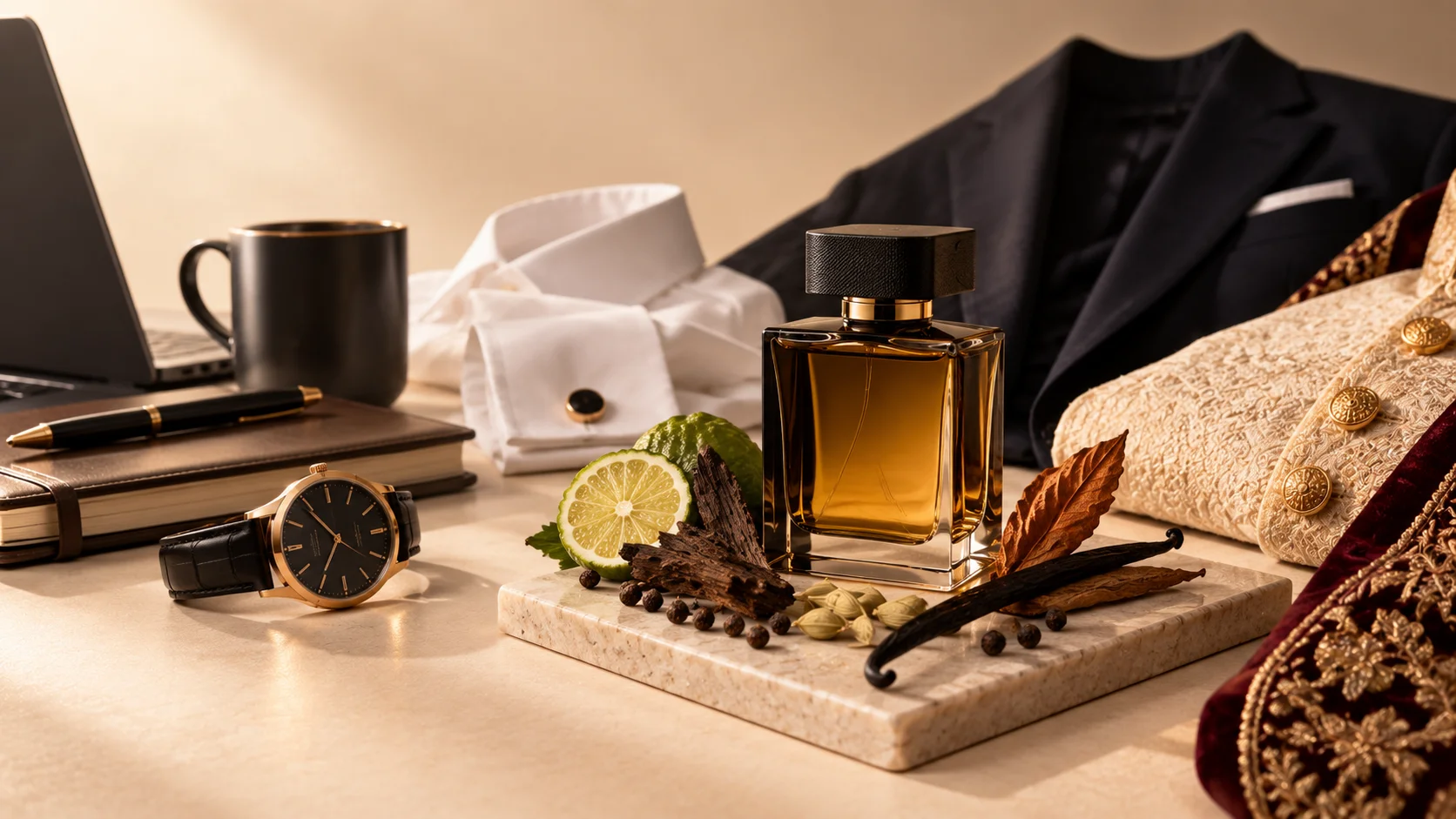
Best Perfumes for Men in Pakistan 2026: What to Wear for Office, Dates, Weddings & Everyday
16 September 2026
Fragrance Guide
Best Perfumes for Men in Pakistan 2026: What to Wear for Office, Dates, Weddings & Everyday
Fragrance Guide
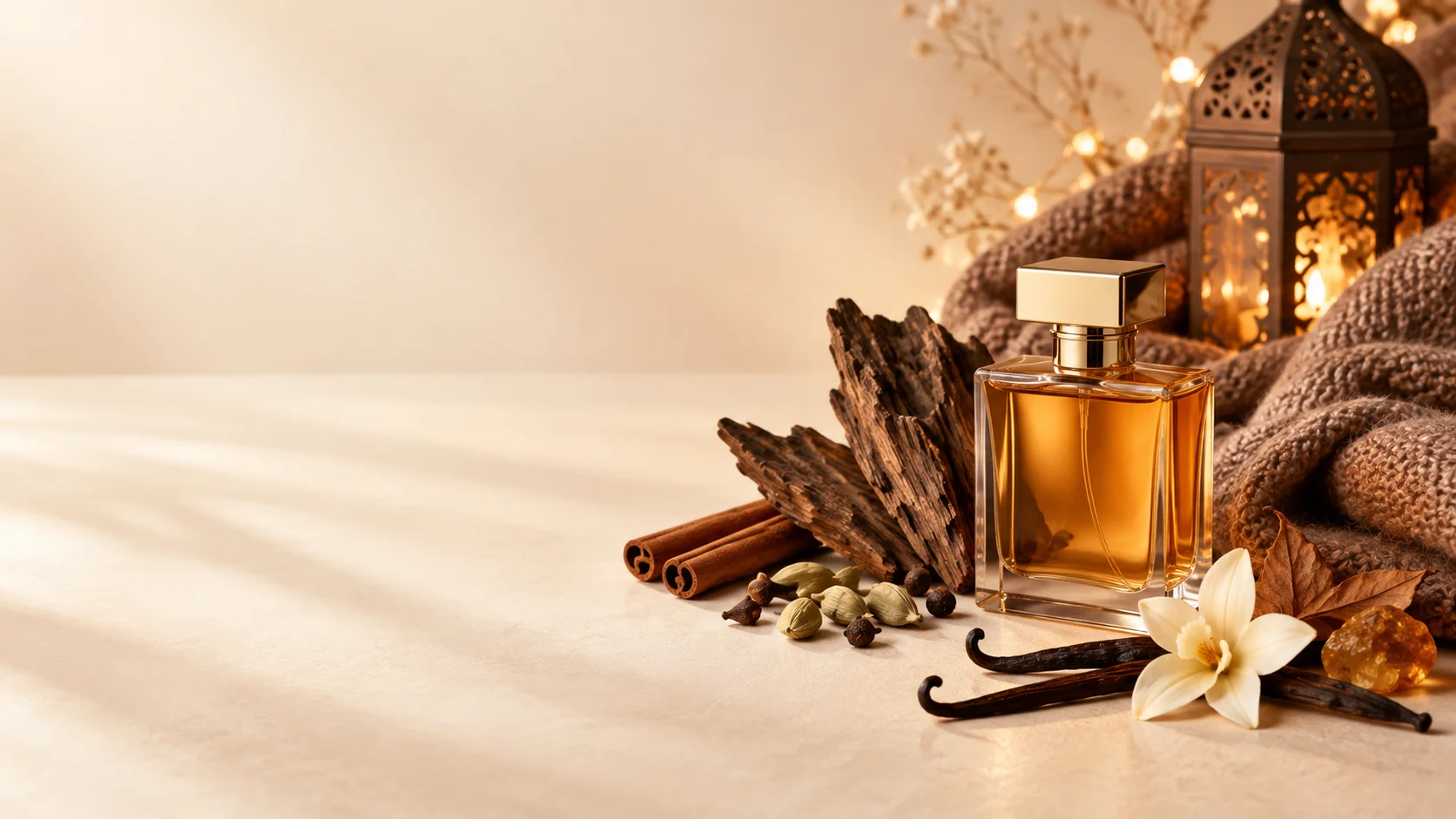
Best Winter Perfumes in Pakistan 2026: A Complete Guide for Men & Women
16 September 2026
Fragrance Guide
Best Winter Perfumes in Pakistan 2026: A Complete Guide for Men & Women
Fragrance Guide
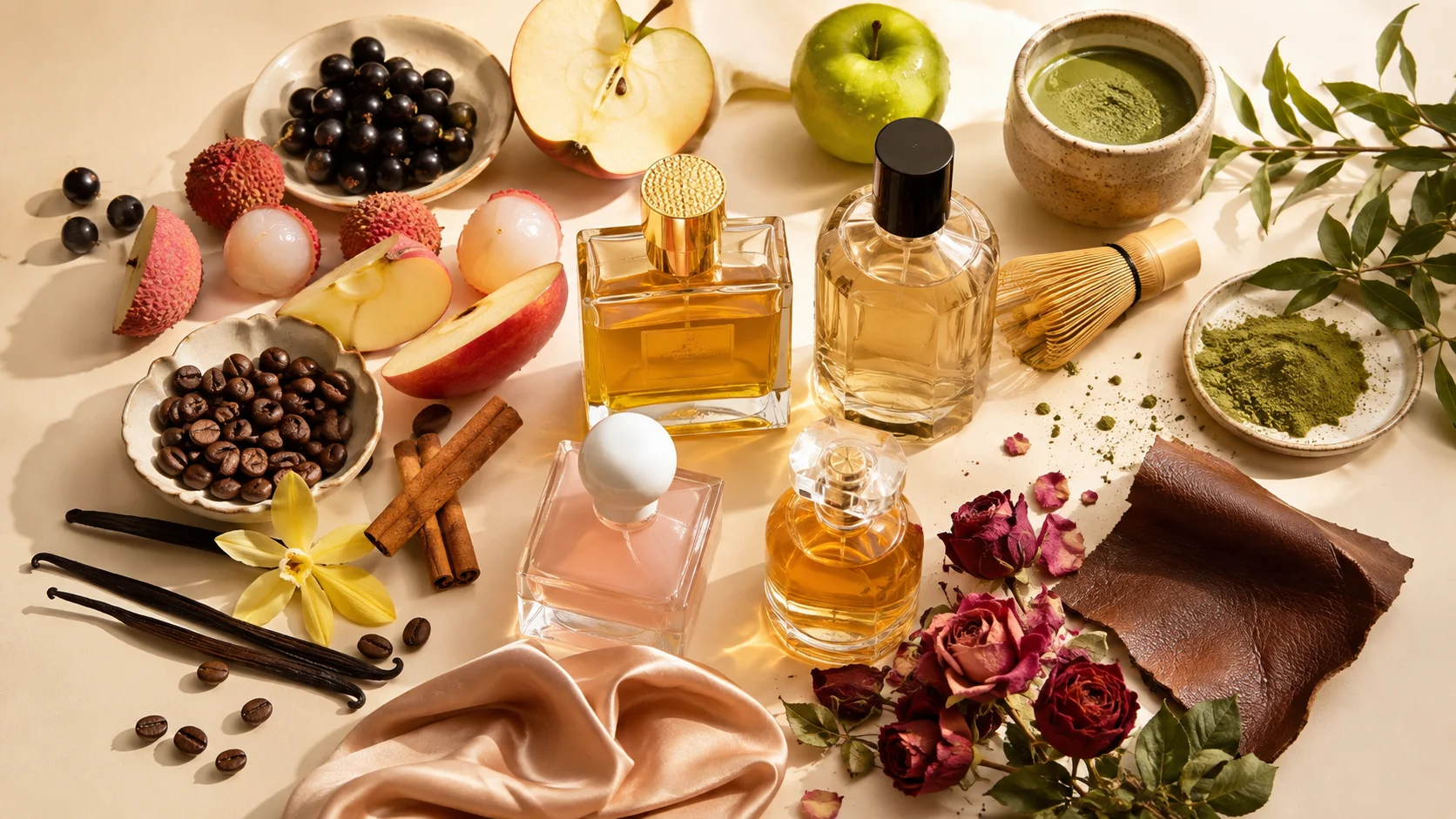
The 2026 Fragrance Trends You Need to Know
27 August 2026
Fragrance Guide
The 2026 Fragrance Trends You Need to Know
Fragrance Guide
The Complete Guide to Perfume Families
12 August 2026
Fragrance Guide